Animal factories – fuelling the rise of harmful bacteria
Viva! • Aug 13, 2026
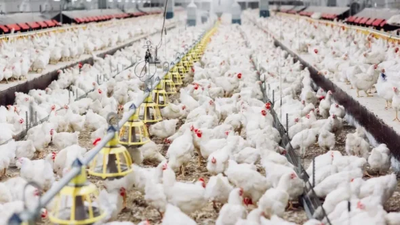
Intensive poultry farming has created an environment where bacteria can thrive and evolve, leading to the spread of harmful pathogens such as Campylobacter jejuni (C. jejuni). Researchers found that since the 1960s, strains of C. jejuni associated with chickens have rapidly grown, creating a larger and more diverse population of bacteria with increased opportunities to evolve and spread. Large chicken populations in crowded farms act as 'pathogen sponges,' allowing bacteria to multiply, adapt, and spread between species, including wild birds and humans.
The study warns that factory farming not only increases the number of pathogens but also helps them evolve and spread widely. Bacteria adapted to chickens have developed genes that make them more resilient to stress, metals, and antibiotics, increasing their chances of survival. The researchers emphasize the infection risk to humans posed by these pathogens, calling for better regulations in livestock production to reduce the spread of harmful bacteria.



 Back to News
 Back to News