Bacterial Fermentation Raises Lysine Content of Faba Beans More Than Threefold
Vegconomist • Oct 05, 2026
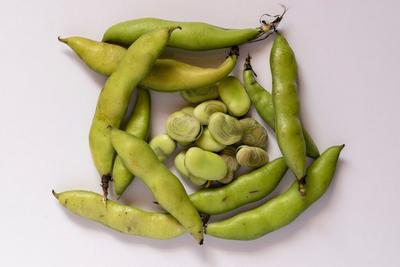
Researchers in Denmark have successfully used a two-stage bacterial fermentation process to drastically increase the lysine content in faba beans and rapeseed press cake by more than threefold. Lysine is an essential amino acid that many plant-based proteins lack in sufficient amounts. The process involves using two different bacteria to break down plant proteins and convert them into lysine, while also making the proteins easier to digest.
The findings of this study, published in the Journal of Agricultural and Food Chemistry, have promising implications for improving the nutritional value of plant-based foods for both humans and animals. Danish producer FERM FOOD has already received EU authorization to sell fermented rapeseed cake as a food ingredient, while Finnish company Foodiq has developed a fermented fava bean ingredient called Fabea+. The researchers are also working on enriching crops with two other essential amino acids, contributing to the NextOrganic project's focus on animal feed and potentially expanding to plant-based foods for human consumption in the future.



 Back to News
 Back to News