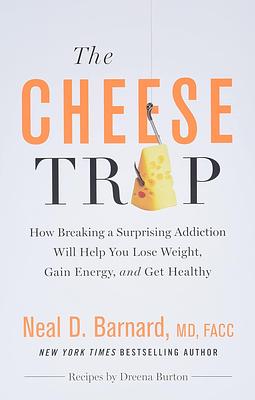
Studies have shown that cheese, as a concentrated form of dairy fat and animal protein, can have a negative impact on fertility for both men and women. Saturated fats and hormones in cheese have been linked to disrupted sex-hormone balance and ovulation glitches. Estrogen and progesterone in cow's milk, which can be concentrated in cheese, have been shown to impact hormone levels. Additionally, cheese may contain endocrine-disrupting chemicals such as phthalates, which have been linked to lower sperm counts and reduced ovarian reserve.
While it's not necessary to completely eliminate cheese from your diet, moderation and smarter sourcing can help tilt the odds in favor of fertility. Recommendations include limiting cheese intake, opting for organic cheeses, favoring fresh over processed options, diversifying calcium sources, and loading up on antioxidants. Making small tweaks to reduce saturated fats and exposure to harmful chemicals in cheese can serve as a low-cost fertility insurance policy, benefiting overall health while potentially enhancing fertility.
*This summary was generated using AI.
Read Full Article