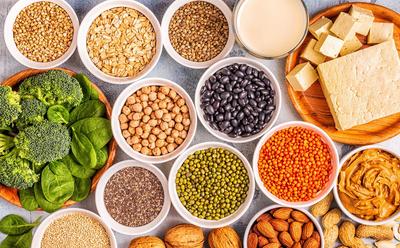
A new study suggests that eating less protein could lead to improved health and longevity. While protein is essential for building and repairing tissues, boosting immunity, and supporting vital body processes, the average protein requirements for sedentary individuals may not be as high as previously thought. The study, which reviewed over 350 papers on protein restriction and aging, found that reducing protein intake could improve metabolism, reduce cellular damage and inflammation, and improve blood sugar control.
The review also highlighted that excess consumption of certain amino acids can lead to an increased risk of inflammation, obesity, and age-related illnesses. While athletes and pregnant women may benefit from higher protein intake, most sedentary adults do not need excessive amounts of protein. Personalized protein recommendations based on age and activity levels may be more beneficial in promoting a healthy balance in protein consumption.



 Back to News
 Back to News