Engineered Lettuce and Tobacco Produce Animal Myoglobin Inside Their Chloroplasts
Save
R&D

Engineered Lettuce and Tobacco Produce Animal Myoglobin Inside Their Chloroplasts

Vegconomist • Aug 06, 2026
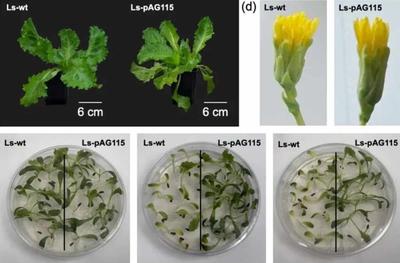
Researchers at Imperial College London have successfully engineered tobacco and lettuce plants to produce myoglobin, the iron-rich muscle protein found in meat, directly inside their chloroplasts. This breakthrough, published in Frontiers in Plant Science, marks the first instance of stable myoglobin production in higher plants. By utilizing chloroplasts, known for their efficiency in producing large amounts of protein, the team was able to achieve yields significantly higher than plants carrying the gene in their nuclear genome.

The modified plants grew normally and passed the inserted genes to their offspring, with yields reaching up to 800 mg of myoglobin per kilogram of dry tobacco and 810 mg per kilogram of dry lettuce. Even though these levels are below those found in animal muscle, the researchers believe that with further advancements, the modified lettuce could potentially serve as a heme-iron-enriched biofortified food in the future. This research opens up new possibilities for plant-based meat producers aiming to close the sensory gap with animal products, highlighting the potential for genetically modified plants to address nutritional and taste preferences in alternative protein sources.
*This summary was generated using AI.
Read Full Article

Related recipes, books, documentaries, and topics from our catalog.

Community reviews

Sign in to leave the first review.

Discussion Join the conversation

Sign in to start the discussion.