

 Back to News
 Back to News


Health & Wellbeing
Is Spirulina Safe? Research Raises Concerns About Popular Superfood
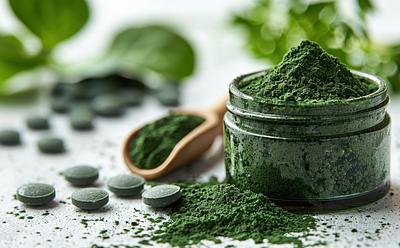
Spirulina, a popular superfood often promoted for its nutrient-dense qualities, has come under scrutiny due to research suggesting potential risks associated with its consumption. Studies have shown that blue-green algae, including spirulina, may contain harmful toxins such as β-Methylamino-L-alanine (BMAA) and hepatotoxins, which can damage nerve cells and liver cells, respectively. The concern arises from the difficulty in guaranteeing that no toxin-producing algae species are mixed in during the harvesting process, leading to questions about the safety of spirulina supplements.
While spirulina may pose risks due to potential contamination with harmful toxins, chlorella, a green algae, has been identified as a safer alternative. Unlike spirulina, chlorella does not produce BMAA and does not face the same contamination risks, making it a preferable option for those seeking nutrient-dense algae-based supplements. Additionally, omega-3 supplements derived from golden algae, not blue-green algae like spirulina, are also considered safe from the same dangers, offering consumers alternative choices for obtaining essential nutrients without the associated risks.
While spirulina may pose risks due to potential contamination with harmful toxins, chlorella, a green algae, has been identified as a safer alternative. Unlike spirulina, chlorella does not produce BMAA and does not face the same contamination risks, making it a preferable option for those seeking nutrient-dense algae-based supplements. Additionally, omega-3 supplements derived from golden algae, not blue-green algae like spirulina, are also considered safe from the same dangers, offering consumers alternative choices for obtaining essential nutrients without the associated risks.
*This summary was generated using AI.