Organic Egg Farming Is Twice As Bad For The Environment, Finds Study
Plant Based News • Aug 18, 2026
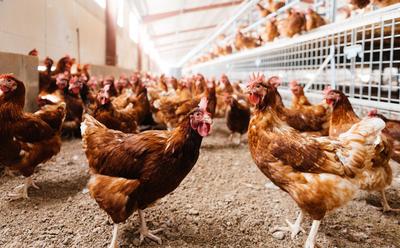
A recent study has shown that organic free-range egg farming is twice as damaging to the environment as caged farming. While free-range models are preferred for animal welfare, the study indicates that simply replacing intensive agriculture with "high welfare" options without reducing egg production or consumption can lead to other environmental problems. The shift to organic, free-range systems in the UK would result in higher CO2 emissions, water eutrophication, acidification, and land use compared to caged production.
Both free-range and caged egg farming involve animal cruelty and suffering. Many "enriched" colony cages used in place of traditional battery cages do not provide adequate space for hens, and even free-range farms have been found to house birds in overcrowded, unhealthy conditions. The study suggests that reducing egg production and consumption could have positive impacts on both environmental outcomes and animal welfare, highlighting the need for more sustainable food choices.



 Back to News
 Back to News