


 Back to News
 Back to News


Animals
Over 90% Of Britain’s Abattoirs Have Disappeared Since The 70s – Here’s Why That’s Bad For Animals
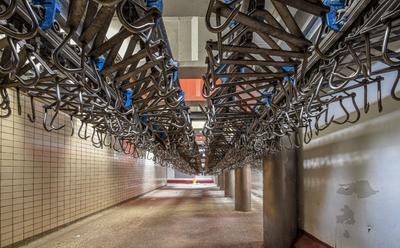
The UK has witnessed a dramatic decline in the number of abattoirs, plummeting from 2,500 in the 1970s to just 203 today, a 92% decrease. While this reduction might seem beneficial for animal welfare, the reality is more complex. A recent survey revealed that two-thirds of farmers face difficulties accessing suitable slaughterhouses, and closures are pushing the industry toward larger, industrialized supply chains that threaten animal welfare and worker safety. Reports suggest that the loss of small and medium-sized abattoirs could lead to longer transportation times for livestock and an increase in illegal slaughter practices.
As the meat industry becomes increasingly centralized, a few large companies are dominating the market, which could compromise welfare standards and working conditions further. This trend could also lead to higher meat production and slaughter rates, even as national demand for meat continues to grow. The call for government intervention to support British farmers and food security has become urgent, as the consolidation of power within the industry could diminish the ability of smaller operations to function and sustain animal welfare practices.
As the meat industry becomes increasingly centralized, a few large companies are dominating the market, which could compromise welfare standards and working conditions further. This trend could also lead to higher meat production and slaughter rates, even as national demand for meat continues to grow. The call for government intervention to support British farmers and food security has become urgent, as the consolidation of power within the industry could diminish the ability of smaller operations to function and sustain animal welfare practices.
*This summary was generated using AI.