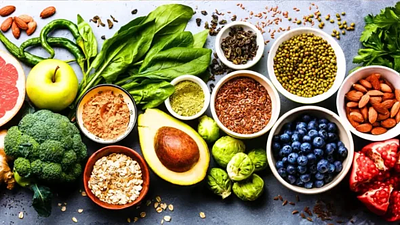
Raw veganism involves consuming uncooked plant-based foods such as fruits, vegetables, nuts, seeds, and sprouted grains, as well as fermented foods and smoothies. While this diet can provide antioxidants, vitamins, minerals, and fiber, it may not automatically be the healthiest option as cooking can enhance the bioavailability of some nutrients. It is important to maintain a balanced and varied diet to ensure all nutritional needs are met.
Those interested in trying a raw vegan diet should start slowly, pay attention to digestion, and ensure they are getting enough calories, including nuts, seeds, and sprouted grains. It is essential to take vitamin B12 supplements year-round and vitamin D in winter. Certain individuals such as children, pregnant women, athletes, those with eating disorders, and individuals with certain digestive conditions may need to avoid or carefully consider this diet. Overall, it is crucial to be mindful of nutrient intake and potential risks when following a raw vegan lifestyle.
*This summary was generated using AI.
Read Full Article