

 Back to News
 Back to News


Health
Rhubarb
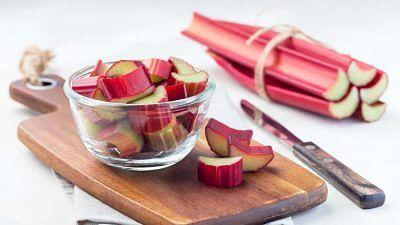
Rhubarb is a versatile plant that is often used like a fruit, with its fleshy stalk being the edible part. It is low in fat, protein, and carbohydrates, but contains a good amount of fiber. Rich in vitamin K, vitamin C, and various minerals, rhubarb also contains antioxidants that may help lower the risk of certain cancers.
In addition to being good for heart health and gut health, rhubarb has potential benefits for liver health, immunity, skin, menopausal symptoms, and kidney function. However, it is important to be cautious with rhubarb, as it can interact with certain medications and may worsen kidney stone problems. Overall, rhubarb can be a nutritious addition to one's diet, but it is important to consult a healthcare provider if you have specific health conditions or take certain medications.
In addition to being good for heart health and gut health, rhubarb has potential benefits for liver health, immunity, skin, menopausal symptoms, and kidney function. However, it is important to be cautious with rhubarb, as it can interact with certain medications and may worsen kidney stone problems. Overall, rhubarb can be a nutritious addition to one's diet, but it is important to consult a healthcare provider if you have specific health conditions or take certain medications.
*This summary was generated using AI.