Scientists Grow Animal Protein in Tobacco & Lettuce to Enhance Plant-Based Meat
Green Queen • Aug 07, 2026
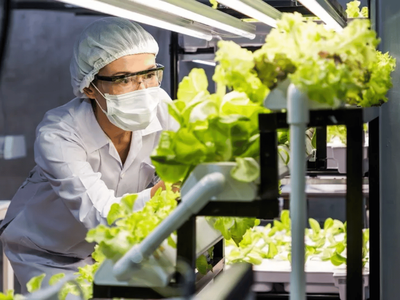
Scientists at Imperial College London have successfully engineered tobacco and lettuce plants to produce myoglobin, a heme-containing protein found in animal muscle fibers that gives meat its distinctive flavor and color. By introducing the gene for myoglobin into the chloroplasts of these plants, they are able to mass-produce plant-based myoglobin as a more sustainable alternative for enhancing plant-based meat products. The yield from these plants is promising, with the potential to rival the production efficiency of livestock farming while reducing water use and greenhouse gas emissions.
While microbial fermentation has been the traditional method for producing myoglobin, the researchers' approach of using plants as production factories is a novel and efficient method. The extracted myoglobin can be used as an ingredient in plant-based meat products to improve their color, flavor, and nutritional value. This advancement in plant molecular farming opens up possibilities for scalable and low-input production of crucial meat ingredients, offering a more environmentally-friendly alternative to traditional meat production methods.



 Back to News
 Back to News