Stanford Prints Muscle, Fat and Nutrient Channels Through One Nozzle to Build Cultivated Steaks
Vegconomist • Sep 07, 2026
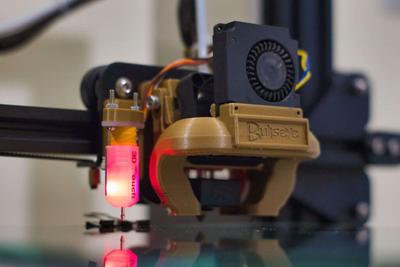
Stanford University researchers are working on bioprinting technology that allows muscle bio-ink, fat bio-ink, and sacrificial ink to be pushed through a single nozzle simultaneously, creating open channels in thick tissue for nutrient delivery. This innovative approach addresses a key challenge in cellular agriculture of ensuring cells at the center of thick cuts survive during the maturation process in culture. The project, funded through the Stanford Sustainability Accelerator, aims to produce cultivated meat with the size, shape, and internal structure of whole muscle.
The method, developed by Assistant Professor Natalie Larson, utilizes subvoxel control to pattern multiple materials inside a single extruded filament, rather than depositing them as separate layers. In collaboration with other Stanford research groups, the project involves developing renewable cell sources, engineered protein biomaterials, texture testing, and automation techniques for multimaterial printing. The ultimate goal is to create functional and living materials for sustainable and scalable cultivated meat production to address environmental concerns associated with traditional meat production.



 Back to News
 Back to News