The article discusses 15 unlikely vegan protein sources that can fulfill daily protein needs and satisfy questions about where vegans get their protein. It emphasizes that protein deficiency is not a typical issue in first-world countries and provides guidelines for calculating protein needs based on body weight and activity level. The article also debunks the myth about complete versus incomplete proteins in plant-based diets, stating that as long as one eats enough calories and varies their diet, they will meet their protein needs regardless.
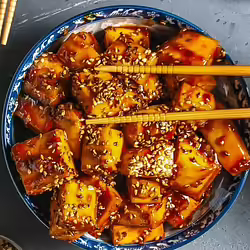
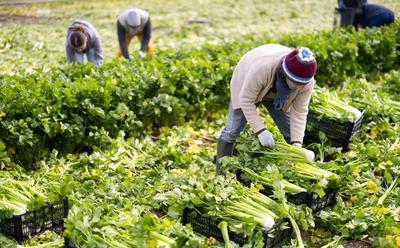
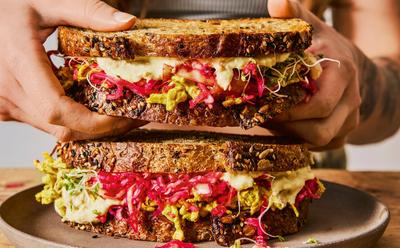
The article lists various high-protein vegan foods, including seitan, beans, tofu, tempeh, protein powder, spirulina, plant-based milk, nuts, seeds, nutritional yeast, non-dairy yogurt, quinoa, lentils, spinach, bread, and vegetables. Each food source is highlighted for its protein content and how it can contribute to a balanced vegan diet. Furthermore, the article stresses the importance of eating a varied diet to ensure adequate protein intake without worrying about complete versus incomplete proteins.


 Back to News
 Back to News