‘Animals Are Not Things’: Brazil Bans Live Cattle Exports
Plant Based News • May 17, 2023
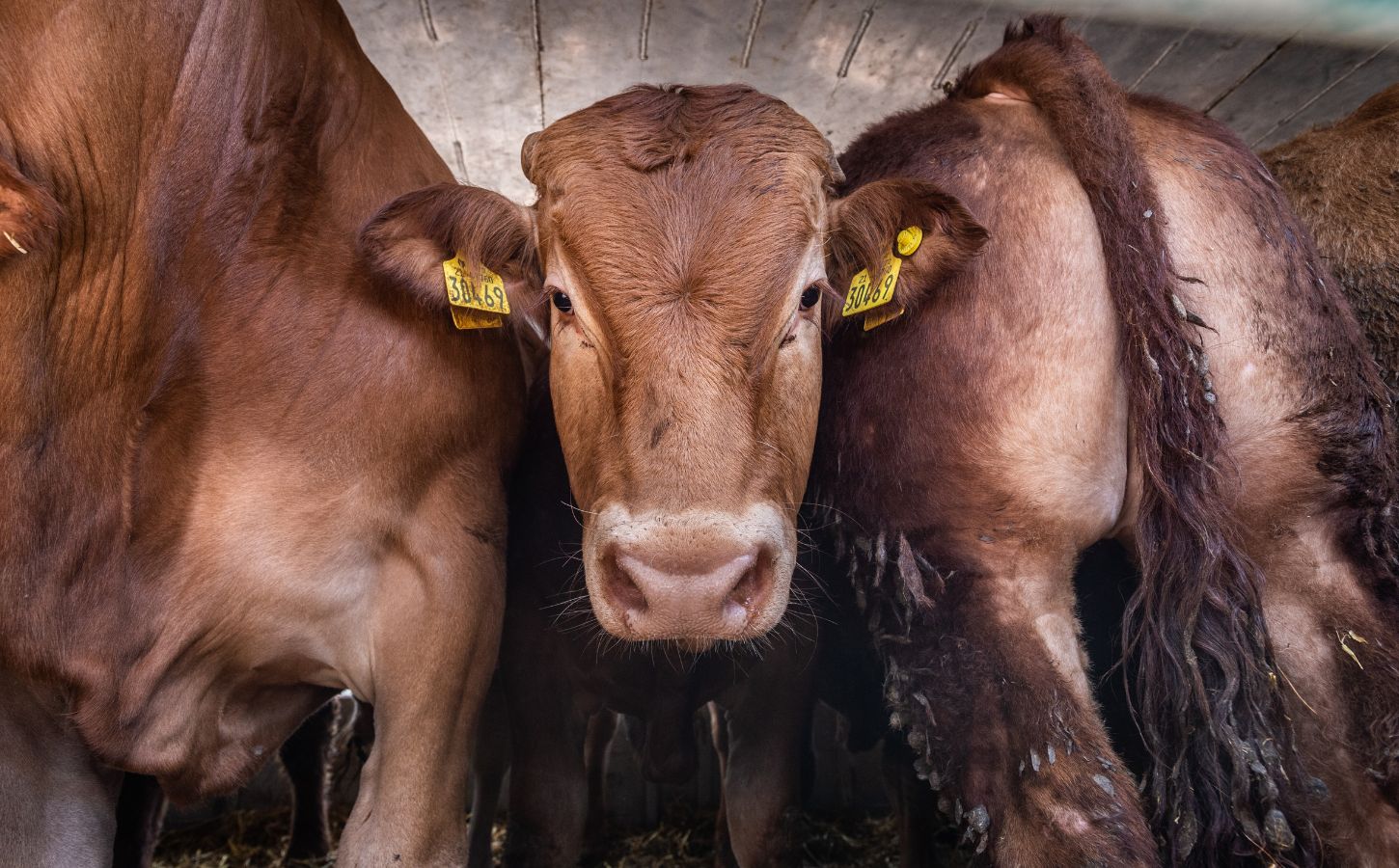
Brazil has recently banned live cattle exports from its ports, a decision that has been hailed as "historic" by animal rights campaigners. The law, passed in response to a lawsuit from the National Forum for the Protection and Defense of Animals, recognizes animals as sentient beings that experience suffering during long journeys involving dehydration, stress, hunger, and overcrowding. This move is part of a global trend away from live exports, with countries like New Zealand, Luxemburg, and Germany taking similar steps to protect animal welfare and reputation.
The ban on live cattle exports in Brazil follows a tragic incident in 2019 where a ship carrying 14,000 sheep capsized during a journey from Romania to Saudi Arabia, resulting in the death of almost every animal on board. In response, countries are increasingly moving away from live exports for both breeding and slaughter purposes. Animal rights groups have long campaigned against live exports, highlighting the cruelty and welfare costs associated with transporting animals long distances by truck, train, plane, or ship.



 Back to News
 Back to News