


 Back to News
 Back to News
Health
Celery
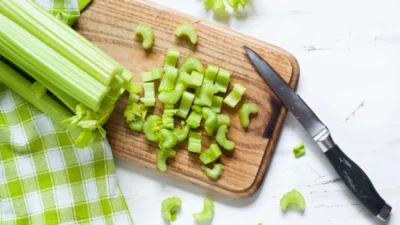
Celery, originating from the Mediterranean and the Middle East, is now grown worldwide and is known for its mild flavor that can be used in a variety of dishes. Despite being considered a low-calorie food mostly consisting of water, celery is actually a good source of nutrients and health-protecting compounds such as flavonoids, phenolic acids, and vitamins A, K, C, and minerals like potassium and folate. It also has antioxidant, anti-inflammatory, anticancer, anti-hypertensive, and neuroprotective properties.
Celery's high content of bioactive compounds, including antioxidants and phytochemicals, contribute to its health benefits. These compounds help fight off infections and diseases and prevent cell damage from free radicals. Celery also contains phthalides which can lower blood pressure, decrease stress hormones, and have diuretic effects. However, those on blood pressure medication should monitor their celery intake to avoid dropping blood pressure levels too low. Celery can be eaten raw or cooked, but it's important to note that cooking methods can affect its nutrient content.
Celery's high content of bioactive compounds, including antioxidants and phytochemicals, contribute to its health benefits. These compounds help fight off infections and diseases and prevent cell damage from free radicals. Celery also contains phthalides which can lower blood pressure, decrease stress hormones, and have diuretic effects. However, those on blood pressure medication should monitor their celery intake to avoid dropping blood pressure levels too low. Celery can be eaten raw or cooked, but it's important to note that cooking methods can affect its nutrient content.
*This summary was generated using AI.

Explore on VeganHub
Related recipes, books, documentaries, and topics from our catalog.
Recipes
View all recipes
VegOut Magazine
Dec 10, 2025


VegOut Magazine
Dec 29, 2025
Books
View all books
Documentaries
View all documentariesPodcast Episodes
View all podcasts

Community reviews
Sign in to leave the first review.
Discussion Join the conversation
Sign in to start the discussion.

Vegconomist
Oct 16, 2026

Vegconomist
Oct 16, 2026
Green Queen
Oct 16, 2026
Vegconomist
Oct 16, 2026