German Scientific Advisory Board Urges Government to Support Alternative Proteins
Vegconomist • Jul 25, 2025
Germany’s Scientific Advisory Board on Agricultural Policy, Food and Consumer Health Protection (WBAE) has published a report urging the government to provide more support for alternative proteins. The report explores plant-based alternatives, biotechnological processes like cell cultivation and precision fermentation, and hybrid products as potential solutions to reduce the environmental impact of livestock farming.
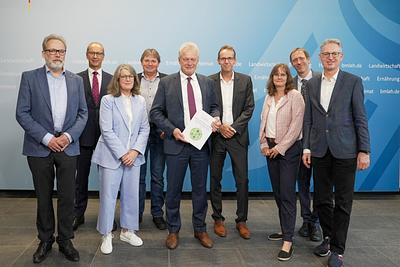
The publication of the report follows the presentation of the findings to Federal Minister Alois Rainer, who has previously been hesitant to transition away from conventional meat products. The report recommends targeted support for innovation to improve the taste and texture of alternative protein products, as well as fair conditions of competition, such as a reduction in VAT and the advancement of climate labelling. The report also highlights the potential economic benefits of the alternative protein industry, projecting a market volume of €5 billion by 2030 and around 45,000 new jobs by the same time.
Additionally, the report acknowledges the changing dietary patterns and the importance of providing diverse and flexible options for consumers. The authors propose a 3R strategy - Reduce, Remix, Replace - to illustrate how reducing animal-sourced food consumption can be practical and beneficial for both individuals and the environment. The report aims to position Germany's agriculture and food industry well in the growing market for sustainable alternative proteins.



 Back to News
 Back to News