Plant-Based Biorefineries Could Supply The World’s Protein In Less Than Two Years
Plant Based News • Jul 09, 2026
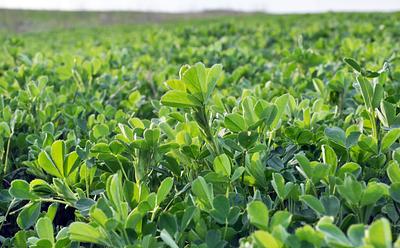
A recent study has shown that plant-based biorefineries could potentially address global protein needs in less than two years if implemented swiftly during a food crisis. By extracting plant-based protein and sugars from leafy biomass like red clover and alfalfa through biorefineries, researchers demonstrated the significant production potential of these facilities. With the ability to produce leaf protein concentrate, lignocellulosic sugar, and single-cell protein, these biorefineries could play a crucial role in meeting global protein demands.
In response to the increasing demand for protein due to population growth and changing diets, organizations like the Alliance to Feed the Earth in Disasters (ALLFED) are funding research into resilient food solutions. This includes exploring non-agricultural food production methods such as precision fermentation, biosynthesis, and nonbiological synthesis to ensure food security in the face of potential crises like climate variability, pandemics, natural disasters, and nuclear threats. By utilizing innovative food production techniques and maximizing the potential of plant-based resources, researchers aim to create a sustainable and reliable food system to "feed everyone, no matter what."



 Back to News
 Back to News