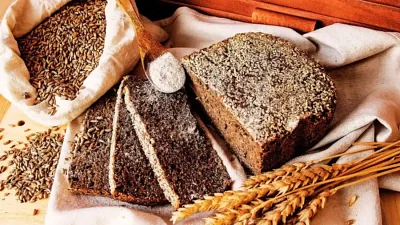
Rye, a staple food in Europe since the Middle Ages, is known for its nutritional benefits. Rye flour contains B vitamins, vitamins E and K, and important minerals such as magnesium, potassium, iron, zinc, and selenium. The color of rye flour indicates its level of processing, with dark rye flour being the most nutritious. Rye bread has a lower glycemic index than wheat bread, making it a better choice for diabetics and keeping you full for longer.
Research has shown that whole grain rye bread offers protection against heart disease, lowers the risk of type 2 diabetes, and may even help prevent cancer due to its phytonutrients. Rye fiber promotes gut health by preventing constipation and supporting beneficial gut bacteria. In addition to rye bread, rye flour can be used in baking, while rye berries can be added to salads, soups, or cereal products. Rye crispbread is a healthy snack option, low in fat and rich in complex carbohydrates, protein, vitamins, and minerals.



 Back to News
 Back to News