What Makes a Food Taste Meaty, and How Can the Flavor Be Replicated?
Vegconomist • Jan 29, 2025
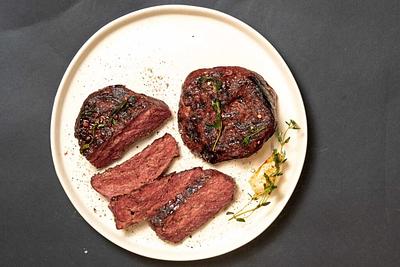
A new book titled Plant-Forward Cuisine: Basic Concepts and Practical Applications explores how replicating meaty tastes and textures could encourage more people to switch to sustainable diets. The book emphasizes the importance of umami (savoriness) and the Japanese concept of "koku," which describes rich, complex, and continuous flavors. It explains that free glutamate and nucleotides, found in animal products but rare in plants, are key to umami flavors, but exceptions like sun-ripened tomatoes, mushrooms, and certain seaweeds exist.
The book delves into the science behind the physical characteristics and nutritional components of plants, mushrooms, algae, and fungi, aiming to create better flavors and textures in plant-based foods. To bridge the flavor gap between meat and plant-based alternatives, methods such as yeast extracts, seaweed-derived heme, and fermented onions have been explored. Analytical tools could aid in replicating meaty flavors. The authors stress the importance of transitioning to a diet that focuses on plants as key ingredients for a healthier, more sustainable future with enough food for a growing world population.



 Back to News
 Back to News