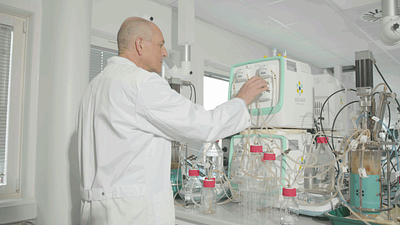
21st.BIO Engineers Safer Fungal Strain for Protein Production, Calls for EU Regulatory Reform
Vegconomist • Apr 24, 2025
Biotech firm 21st.BIO has developed a new strain of Aspergillus oryzae, a filamentous fungus commonly used in fermentation, that has been engineered to remove all known pathways for producing potentially harmful mycotoxins. This breakthrough, described in a peer-reviewed study, eliminates safety concerns and unlocks the industrial potential of A. oryzae for food protein production. With higher yields and the ability to grow on renewable materials, filamentous fungi are gaining popularity in protein production, and this new strain is already being used in the production of beta-lactoglobulin.
21st.BIO is calling for regulatory reform in the EU to update safety frameworks that do not yet account for strain-level differences in fungi. The company urges a faster approval process based on genomic sequencing and molecular understanding. With facilities in Copenhagen and California, 21st.BIO provides support for biotech firms, and the newly validated fungal strain is being used in pilot facilities for ongoing protein development programs targeting food, feed, and biomaterials markets. The company emphasizes the importance of producing high-quality nutrition with precision fermentation to meet the world's increasing protein needs.



 Back to News
 Back to News