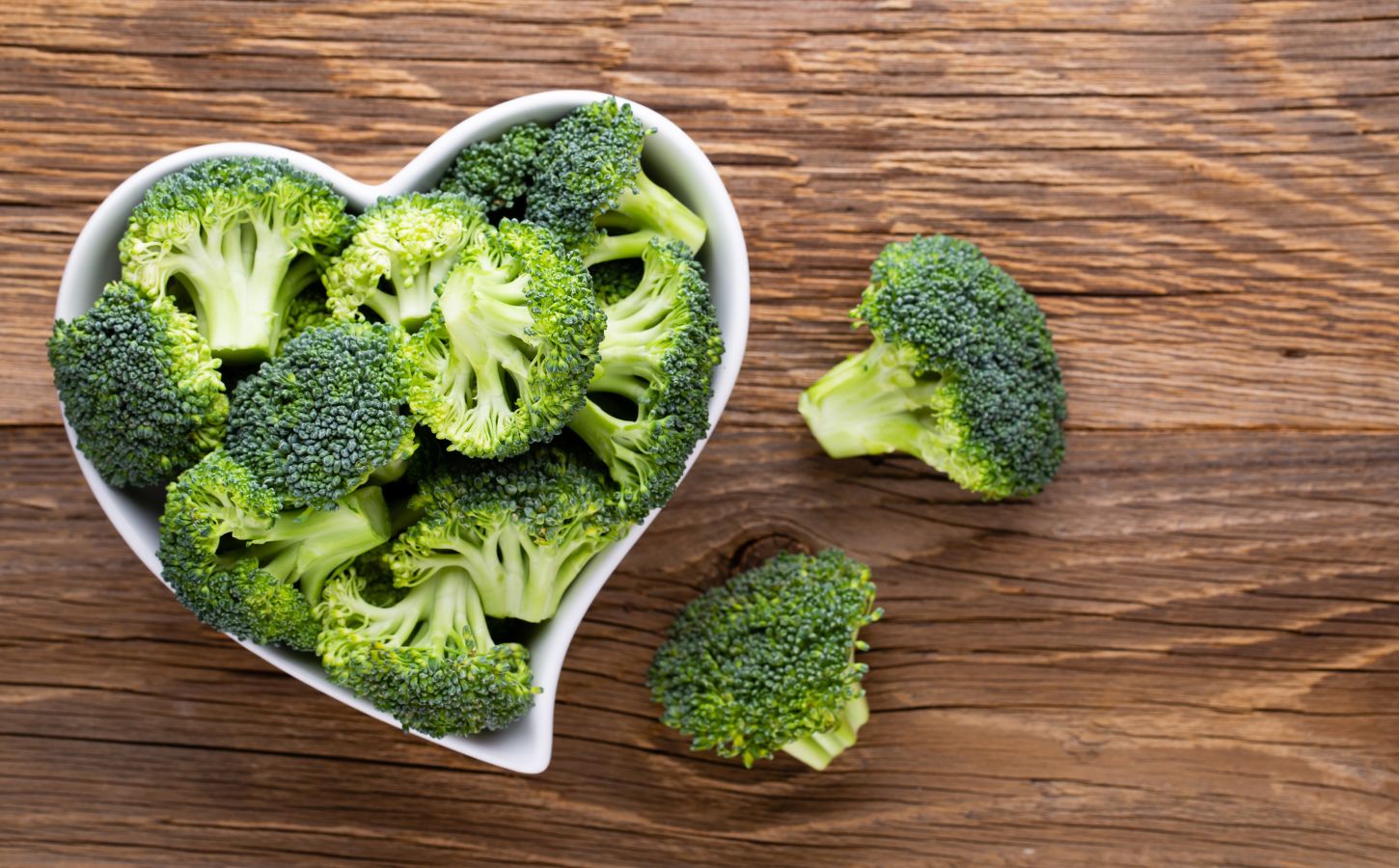
Eating vegetables is crucial for overall health, as they are rich in essential nutrients that support various bodily functions and help prevent chronic diseases. While vegetables may not be the first choice for getting protein, some are surprisingly high in protein content. Eight protein-rich vegetables include broccoli, edamame, peas, spinach, artichokes, Brussels sprouts, kale, and asparagus. Combining these vegetables with other protein sources like grains, legumes, tofu, and nuts ensures a balanced plant-based diet.
Consuming an adequate amount of protein is important for muscle growth, immune function, and overall health. The recommended daily protein intake varies based on factors such as age, sex, weight, and physical activity level. It is essential to include sources of good-quality protein throughout the day, as relying solely on vegetables for protein may not provide enough. Cooking methods can affect the protein value of vegetables, with boiling potentially leading to nutrient loss. Overall, incorporating protein-rich vegetables into meals can help boost protein intake in a plant-based diet.
*This summary was generated using AI.
Read Full Article