Chemicals From Dog And Cat Flea Treatments Found In Songbird Nests
Save
Other News

Chemicals From Dog And Cat Flea Treatments Found In Songbird Nests

Plant Based News • Feb 01, 2025
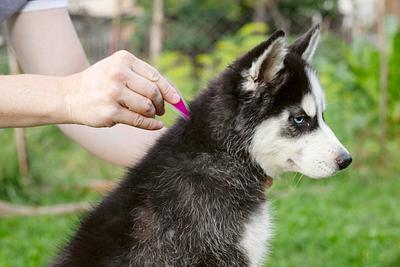
A study has found that insecticides used in flea and tick treatments for dogs and cats are ending up in the nests of songbirds, resulting in the death of chicks. Researchers collected 103 fur-lined nests from blue and great tits and discovered that every nest was contaminated with chemicals, including fipronil and imidacloprid. These chemicals were found to be more prevalent in nests from urban areas where there was more exposure to treated dog or cat fur, leading to a higher number of unhatched eggs or dead chicks.

With around 12.5 million cats and 13.5 million dogs in the UK receiving flea treatments at least once a year, there is a significant potential for these chemicals to enter the environment. The researchers have called for changes to the use of insecticides in veterinary drugs, recommending that flea treatment should only be used when animals actually have fleas. Activists and scientists are urging the UK government to conduct comprehensive environmental risk assessments on the use of these chemicals to minimize their impact on wildlife and waterways.
*This summary was generated using AI.
Read Full Article

Community reviews

Sign in to leave the first review.

Discussion Join the conversation

Sign in to start the discussion.