Eat At Least 75% Plant-Based Foods, Say Germany’s New Dietary Guidelines
Green Queen • Mar 08, 2024
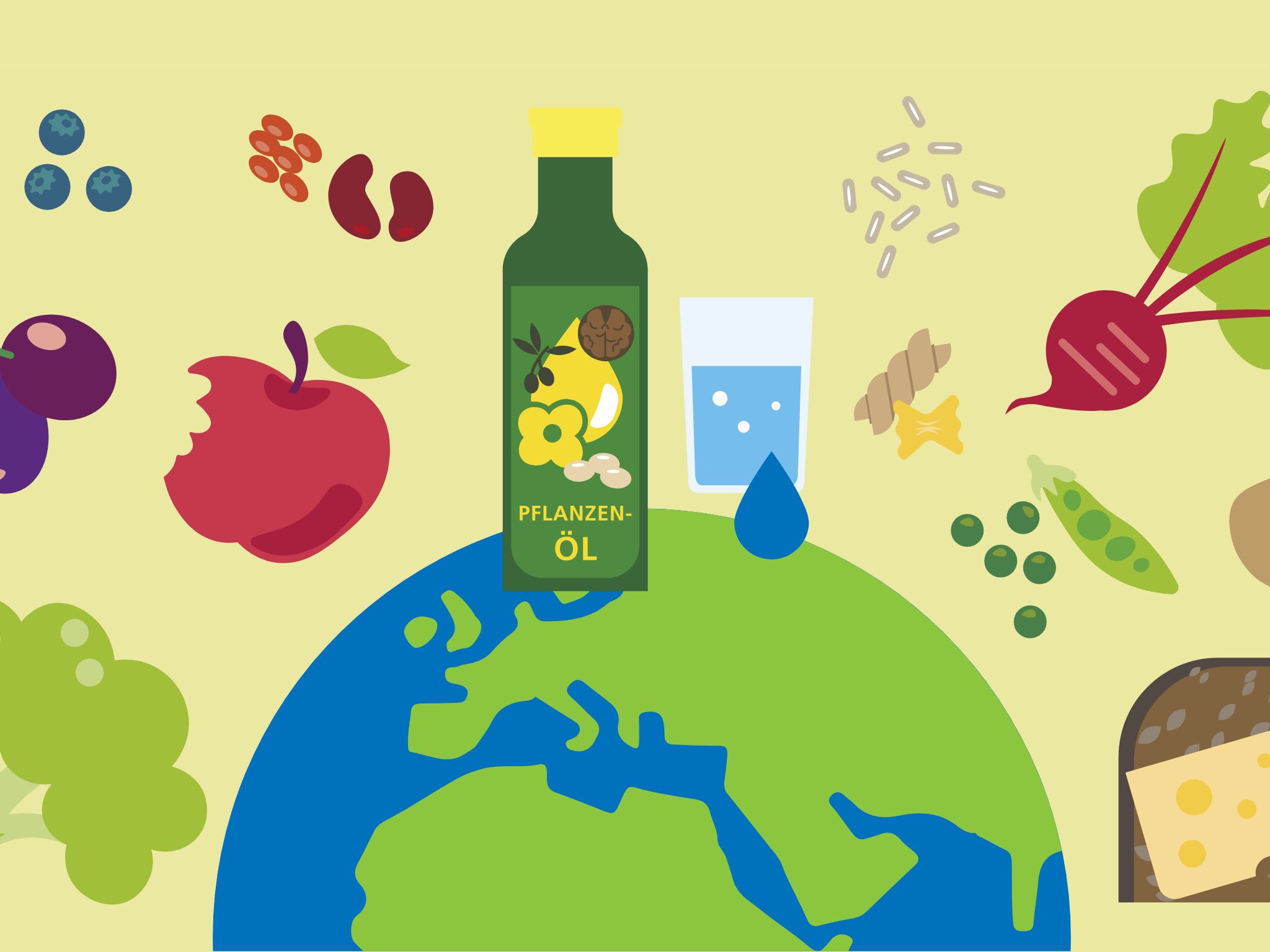
Germany's new dietary guidelines recommend that at least 75% of one's diet should be comprised of plant-based foods, with a focus on reducing meat consumption and limiting dairy intake. The guidelines, based on a mathematical optimization model, aim to promote a healthy and environmentally sustainable diet by emphasizing fruits, vegetables, legumes, nuts, seeds, and grains as the main food groups. Animal-derived foods should make up less than a quarter of one's diet, with specific recommendations for the consumption of dairy, meat, seafood, legumes, and nuts.
While the guidelines have been praised for their focus on plant-based eating, some critics have pointed out the lack of emphasis on plant-based alternatives to meat and dairy. However, the German Society for Nutrition explains that the guidelines are based on the average diet in Germany, where animal-origin foods are already frequently consumed. Overall, the new dietary guidelines reflect Germany's commitment to promoting healthier and more sustainable eating habits, aligning with similar changes in other countries such as the Nordic nations, Taiwan, and Canada.


 Back to News
 Back to News