Everything You Need to Know About Vegan Wine: The Filtration Process, Labelling & Consumer Demand
Green Queen • Sep 05, 2023
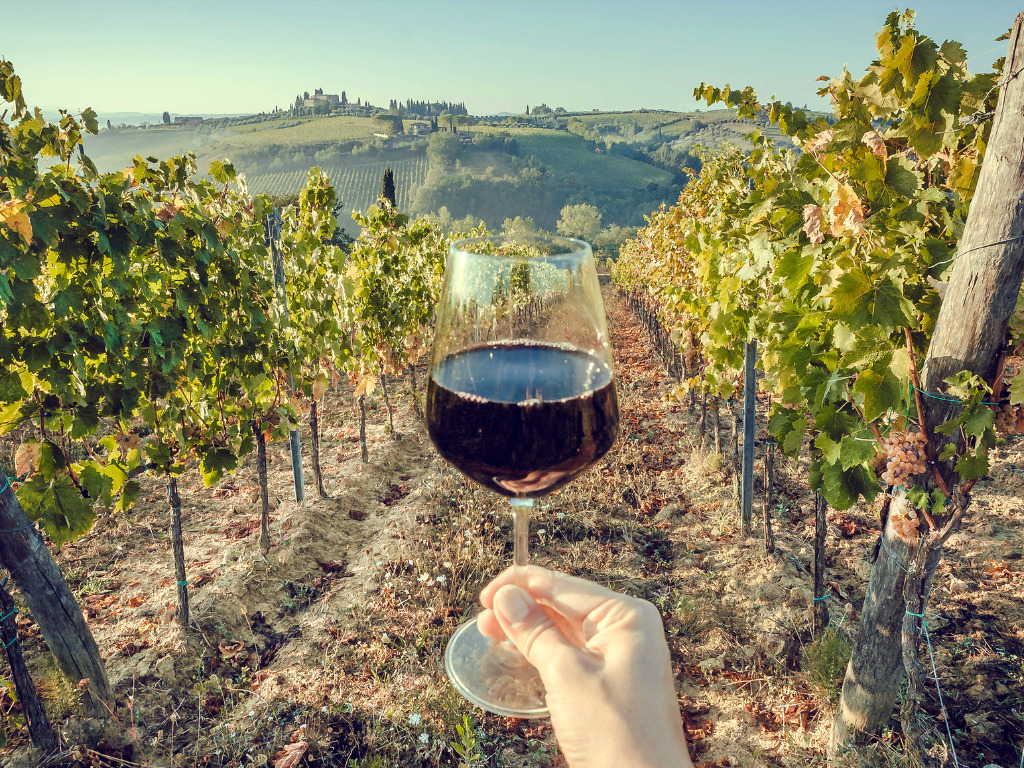
Vegan wine is made without using animal byproducts during the filtration process, unlike traditional wines that may use ingredients like egg whites or gelatin. Instead, vegan wine is clarified using substances like bentonite clay or by bypassing the filtration process altogether. While some winemakers label their products as vegan-friendly, there are no regulations requiring this, making it difficult for consumers to know if a wine is vegan. However, resources like the BevVeg! app and online guides like Barnivore can help consumers identify vegan wines.
The demand for vegan wine is on the rise, with a 51% increase in sales of vegan wines reported in the UK from 2019-21. Consumers are choosing vegan wines for reasons like environmental concerns, animal welfare, and health benefits. Vegan wine brands are meeting this demand, with products like Querciabella, Avaline, and Tinto Amorio gaining popularity in the market. As the market for organic wines is projected to reach $30B by 2030, the trend of vegan wine is expected to continue to grow.



 Back to News
 Back to News