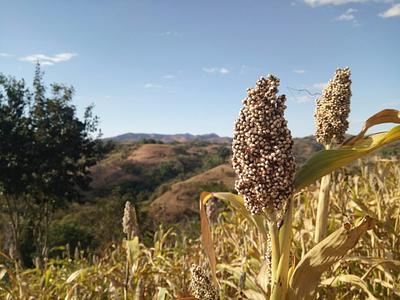
Researchers at the University of Arkansas are exploring the use of drought-resistant sorghum protein for 3D printing in food and pharmaceuticals. Sorghum, known for its resilience and health benefits, is gluten-free and offers a sustainable option for diverse dietary needs. Sorghum proteins are being used in meat alternatives, protein bars, and baked goods, as well as in 3D food printing to replicate items like beef steaks.
Assistant professor Ali Ubeyitogullari has demonstrated that sorghum flour can be used as a bioink in 3D food printing, with a focus on optimizing sorghum proteins for a variety of applications. His lab has also successfully combined sorghum and soy proteins to create hydrophilic and hydrophobic structures. The research, supported by various organizations, aims to contribute to the growing field of 3D printing for food and pharmaceuticals, offering new possibilities for innovation and sustainability in product development.
*This summary was generated using AI.
Read Full Article