


 Back to News
 Back to News


Science
Generative AI System Could Cut Animal Testing by Up to 50% in Preclinical Research
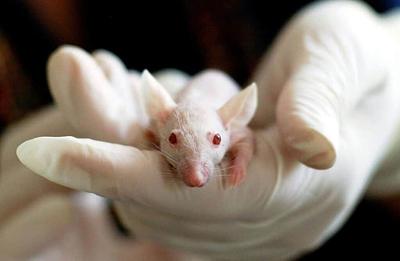
Researchers at Goethe University Frankfurt and Philipps University of Marburg, along with the Fraunhofer Institute for Translational Medicine and Pharmacology, have developed a generative AI tool called genESOM. This tool is trained on small experimental datasets and can generate synthetic data points that accurately reflect real laboratory results. By utilizing this system, the researchers believe that the number of laboratory animals required for preclinical drug testing could be reduced by between 30 and 50%.
The development of genESOM comes as scrutiny of animal testing in preclinical research continues to increase. Both regulators and industry stakeholders are seeking alternative testing methods, not only for ethical reasons but also to address high dropout rates in clinical trials. The tool's potential to reduce the need for animal experiments aligns with the efforts of government bodies such as BfR3R in Germany, which promotes the development of animal testing alternatives and strategies for reduction. The full study on genESOM, authored by Jörn Lötsch, Benjamin Mayer, Natasja de Bruin, and Alfred Ultsch, is published in Pharmacological Research.
The development of genESOM comes as scrutiny of animal testing in preclinical research continues to increase. Both regulators and industry stakeholders are seeking alternative testing methods, not only for ethical reasons but also to address high dropout rates in clinical trials. The tool's potential to reduce the need for animal experiments aligns with the efforts of government bodies such as BfR3R in Germany, which promotes the development of animal testing alternatives and strategies for reduction. The full study on genESOM, authored by Jörn Lötsch, Benjamin Mayer, Natasja de Bruin, and Alfred Ultsch, is published in Pharmacological Research.
*This summary was generated using AI.