Global Map Reveals Scale of Fishmeal and Fish Oil Factories Feeding Aquaculture Boom
VeganFTA • May 30, 2025
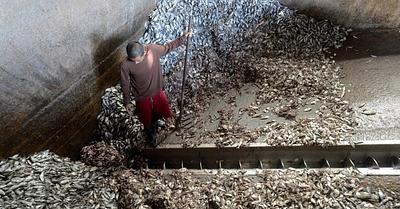
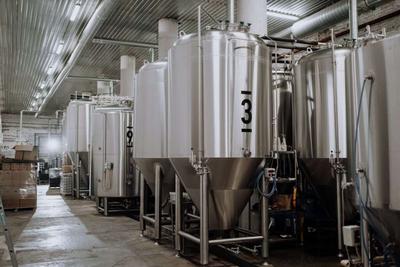
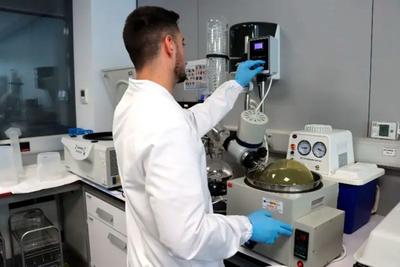
Researchers from the University of British Columbia have created an open-source global map detailing the locations and ownership of fishmeal and fish oil factories, which are crucial for feeding the expansion of fish farms worldwide. With 506 factories identified in around 60 countries, the study revealed that these industries primarily operate along coastlines in industrial zones. Most factories process small pelagic species such as sardines and mackerels, raising concerns about the impact on marine ecosystems and millions in low-income regions who rely on these animals for nutrition.
The rise of aquaculture, responsible for over half of the world's aquatic animal consumption, has driven the demand for fishmeal and fish oil. Companies like Cargill, Mowi, BioMar, and Skretting dominate the supply chain, with the largest facilities in Peru and Mauritania primarily using whole aquatic animals. Environmentalists and animal rights advocates are calling for more scrutiny and regulation of the global fishmeal and fish oil trade to address its social, environmental, and economic impacts.



 Back to News
 Back to News