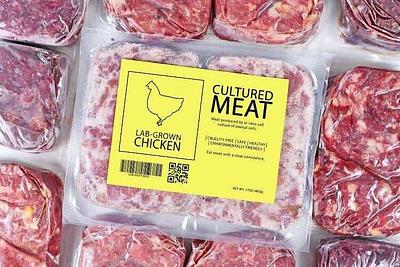
A recent meta-analysis published in the journal Trends in Food Science & Technology examined 48 studies to identify key factors influencing people's willingness to consume cultivated meat. The analysis found that factors such as perceived ethicality, disgust, taste, safety, and price all play significant roles in consumer perceptions of cultivated meat. For example, consumers often view cultivated meat as more ethical than traditional meat due to its perceived lower environmental impact.
Personal characteristics also play a significant role in consumer acceptance of cultivated meat. Factors such as food technology neophobia, food neophobia, food disgust sensitivity, and familiarity with cultivated meat all impact individuals' willingness to try these products. Interestingly, age, gender, income, and education were found to have little correlation with willingness to consume cultivated meat, suggesting that other variables have a stronger influence on consumer perceptions. The study authors recommend further research to explore more complex relationships between relevant variables and interventions that could increase consumer acceptance of cultivated products.
*This summary was generated using AI.
Read Full Article