Researchers Study Protein-Fat Interactions to Enhance Plant-Based Cheese Texture and Functionality
Vegconomist • Jan 16, 2025
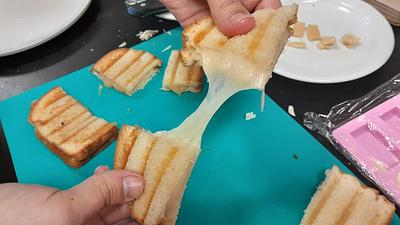
Researchers at the University of Guelph and Canadian Light Source Inc. have studied how plant-based proteins interact with fat matrices in cheese analogs to improve texture, functionality, and nutrition. The study aimed to replicate the sensory properties of traditional dairy cheese, such as creaminess and meltability, in plant-based alternatives. By analyzing different protein isolates and fat blends, researchers found that a combination of pea protein isolate, coconut oil, and sunflower oil produced cheese analogs with comparable or superior functionality to those made with 100% coconut oil, while also reducing saturated fat content.
The research has implications for food manufacturers looking to produce scalable and sustainable plant-based cheese alternatives that closely mimic the sensory characteristics of traditional dairy cheese. By optimizing protein-fat interactions and using healthier fat blends, manufacturers can create products that meet consumer demand for healthier options. Ultimately, the goal is to increase protein content, lower saturated fat levels, and maintain key sensory and functional attributes in plant-based cheese alternatives to provide consumers with more appealing and nutritious options on the market.



 Back to News
 Back to News