Retailers Urged To Move Away From Brightly Colored Plastic
Plant Based News • May 29, 2024
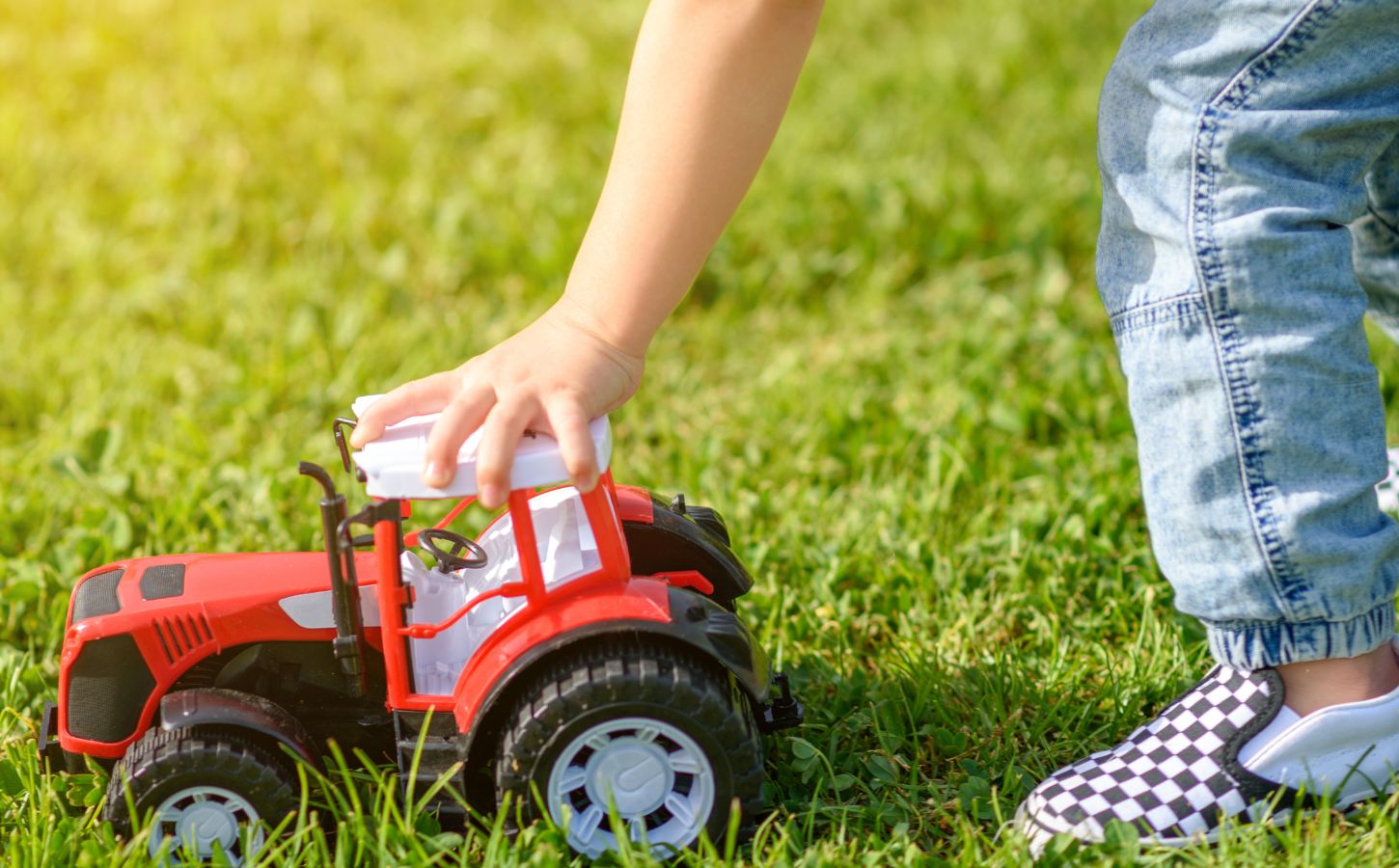
Environmental researchers are urging retailers to steer clear of brightly colored plastics, specifically red, blue, and green, due to their tendency to degrade more quickly and contribute to microplastic pollution. A study conducted by the University of Leicester found that brightly colored plastics such as those used in children's toys and soft drink bottles become very brittle and fragmented over time, compared to plainer colors like silver, black, and white which remain mostly unaffected. This degradation of brightly colored plastics was observed in both controlled experiments with bottle caps exposed to elements on a rooftop, as well as in discarded plastic found on a South African beach.
Microplastics, tiny plastic particles less than 5mm in diameter, are a significant threat to the environment and human health. With microplastics found in oceans, rivers, soil, and even the air, experts like Dr. Sarah Key are calling on manufacturers to consider the recyclability and litter potential of plastic items when designing products. The recommendation is to avoid brightly colored plastics for items exposed to sunlight, such as outdoor furniture, in order to prolong their lifespan and reduce the impact of microplastic pollution on the planet.



 Back to News
 Back to News