Space Mission Explores Microbe-Based Precision Fermentation to Solve Astronaut Food Challenges
Vegconomist • Apr 22, 2025
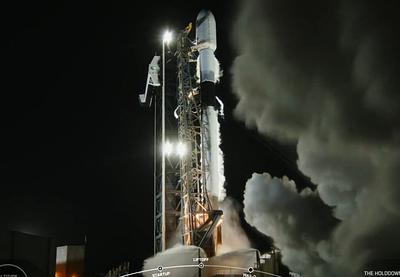
A team of researchers from Imperial College London, Cranfield University, and space technology companies Frontier Space and ATMOS Space Cargo have launched a miniature laboratory into Earth’s orbit. This lab contains genetically engineered microbes designed to produce proteins and other materials such as pharmaceuticals, fuel, and bioplastics in space. The mission, which began on April 21, 2025, aboard Europe’s first commercial returnable spacecraft, Phoenix, via SpaceX, aims to explore the feasibility of using microbes in space for sustainable food production.
The need for efficient food production in space has become increasingly pressing as human space exploration expands. The use of engineered yeasts in space, capable of producing essential supplies through precision fermentation, is a potential solution to these logistical challenges. This project, led by Dr. Rodrigo Ledesma-Amaro from Imperial College London, aims to address the complex challenges of space travel by combining academia and industry expertise to develop sustainable and scalable alternatives to traditional food sources, with potential implications for advancements in space-based manufacturing, pharmaceutical research, and long-duration space missions.



 Back to News
 Back to News