Study: Consumers Are Significantly Less Likely to Choose Animal-Based Meals When Well-Designed Carbon Labels Are Present
Vegconomist • Feb 27, 2025
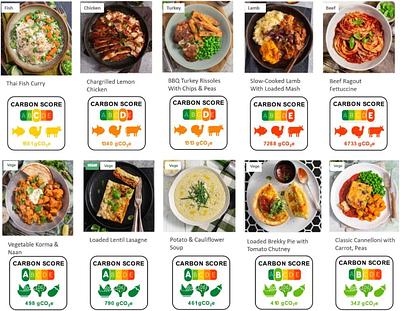
A recent study has examined the impact of well-designed carbon labels on consumer food choices, specifically focusing on the influence of these labels on reducing the selection of animal-based meals. Previous research has shown limited impact of carbon labels, often due to the lack of context and clarity in the information presented. However, the introduction of new "item mapping" labels in this study, connecting emissions to food items and showing carbon scores from A to E, along with icons indicating plant-based or animal-based products, led to a significant decrease in consumers choosing animal-based foods, particularly among those interested in sustainable eating.
Various studies have explored the effectiveness of behavioral nudges to encourage consumers to select plant-based options. Recently, strategies such as carbon labeling and product categorization on online grocery platforms have proved successful in promoting plant-based choices. Additionally, a study in a university cafeteria showed that introducing a labeling nudge and prompting students to reflect on it resulted in a decrease in the sale of meat-based options. These findings suggest that small changes in how information is presented can lead to meaningful shifts in consumer behavior, ultimately promoting sustainability in food choices.



 Back to News
 Back to News