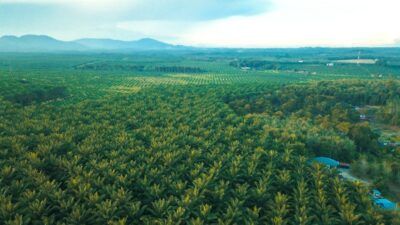
Palm oil, extracted from oil palm trees, is a versatile ingredient found in a wide range of products, from food to cosmetics. However, its production comes with ethical dilemmas, including deforestation of tropical forests, particularly in Malaysia and Indonesia. The destruction of important peat forests for palm oil plantations contributes significantly to climate change and air pollution, with fires in regions like Indonesia causing widespread damage.
While palm oil is cheap and widely used, it is not considered healthy due to its high saturated fat content. Despite its negative impacts, sustainable palm oil production is possible if expansion does not lead to further deforestation. Alternatives like olive oil and rapeseed oil are healthier options for cooking. With the right regulations and public pressure, the environmental damage caused by palm oil production can be mitigated for a more sustainable future.



 Back to News
 Back to News